NRI Guide to Buying Villas in Hyderabad | Legal & Location Tips
ankura
Thought Leader
Published On
November 19, 2026
Reading Time
5 min read

The NRI Guide to Buying Villas in Hyderabad: Legalities, Locations, and Remote Buying
Buying a home (Property) back home while living thousands of miles away often feels like navigating a maze of regulatory fine print, time-zone battles, and endless WhatsApp video walkthroughs.
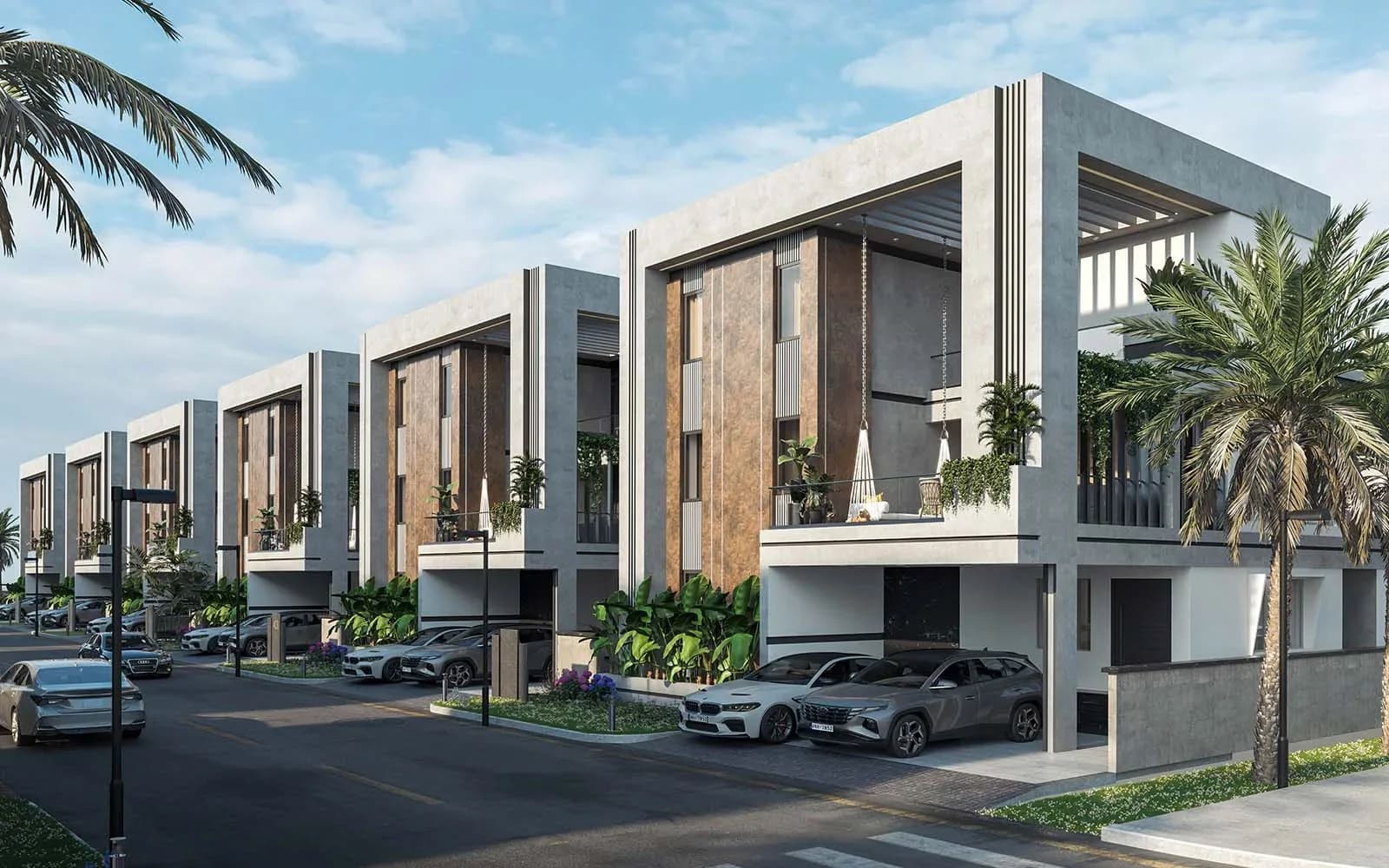
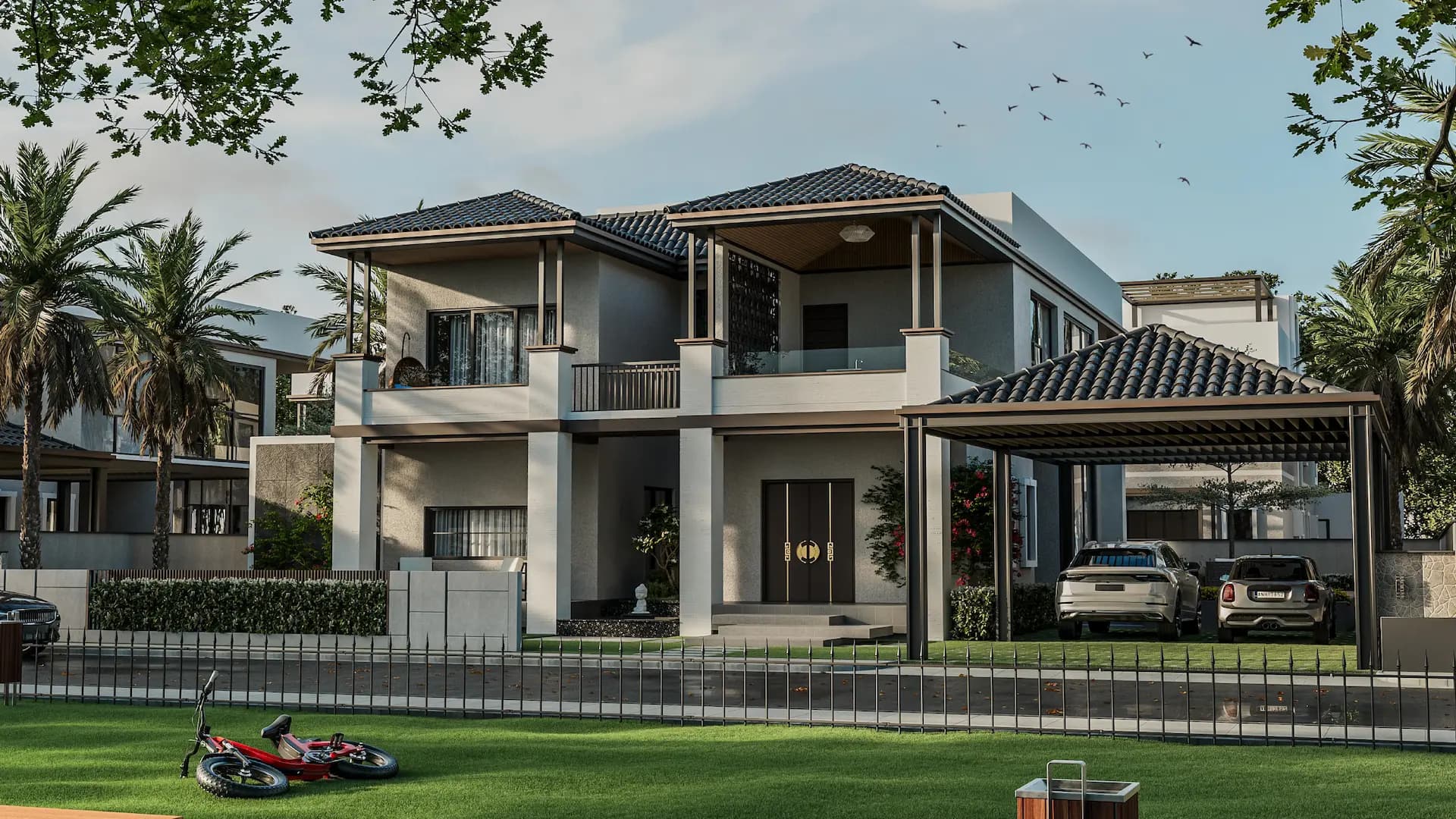
Yet, for thousands of Non-Resident Indians (NRIs) and Overseas Citizens of India (OCIs), Hyderabad’s residential market has become the natural landing pad. Driven by rapid western infrastructure growth, strong IT corridors, and expansive gated communities, overseas buyers are bypassing mid-rise apartments in favour of standalone(standardized) villas that offer privacy, land ownership, and space for multi-generational living.
Eligible NRIs and OCIs can purchase villas in Hyderabad entirely remotely. The key is knowing what the Reserve Bank of India (RBI) permits, how payments must flow, what legal checks protect your investment, and where West Hyderabad's best villa corridors lie.
1. Eligibility & Regulations: What NRIs Can (and Cannot) Buy
Under the Foreign Exchange Management Act (FEMA) administered by the Reserve Bank of India (RBI Master Direction on Acquisition and Transfer of Immovable Property in India) , foreign acquisition rules depend strictly on your legal status, not just your overseas address:
Eligible Buyers: Indian citizens holding valid Indian passports who qualify as NRIs, as well as registered Overseas Citizens of India (OCIs), have general permission to buy residential and commercial properties in India without requiring prior RBI approval.
Non-Eligible Buyers: Foreign nationals of non-Indian origin (who do not hold an OCI card) cannot purchase residential real estate unless they inherit it or fulfil specific continuous-residence conditions.
The Farmhouse Catch: Under FEMA regulations, NRIs and OCIs cannot purchase agricultural land, plantation property, or farmhouses. In Hyderabad’s peri-urban markets, many projects are marketed as "farm communities", "nature retreats", or "managed farmland villas".
Always verify the revenue classification: you can only purchase residential villas constructed on non-agricultural, converted land with layout approvals from authorities like HMDA or DTCP.
2. Funding and Payment Channels: Getting the Money Flow Right
All payments toward the purchase must be settled through official Indian banking channels. Direct cash payments or overseas personal account transfers directly to a builder’s international account are strictly prohibited under FEMA.
Permitted Accounts
NRE (Non-Resident External) Account: Best if you are funding the purchase with foreign currency earned abroad. Funds and future sale proceeds from an NRE account are freely repatriable.
NRO (Non-Resident Ordinary) Account: Suitable for utilising rupee funds generated within India (such as domestic rental income, dividends, or previous investments). Repatriation from NRO accounts is subject to the standard USD 1 million limit per financial year under RBI guidelines, along with Form 15CA/15CB tax certification.
FCNR(B) Deposits / Inward Remittance: You can also wire foreign exchange directly from overseas bank accounts via normal banking channels (SWIFT/wire) to the developer's designated RERA project account.
Home Loans for NRIs
Indian scheduled commercial banks and Housing Finance Companies (HFCs) regularly offer home loans to NRIs for up to 75–80% of the villa’s value, depending on eligibility. Repayment must be made through inward remittances or debits from your NRE/NRO accounts.
All-Inclusive Cost Breakdown
Beyond the base villa price, budget for:
- Telangana Stamp Duty & Registration Fees: Approximately 7.5% of the registered property value (processed via the Telangana Registration and Stamps Department) .
- GST: 5% on under-construction residential properties (completed villas with an Occupancy Certificate are exempt).
- Ancillary Charges: Club membership, advance maintenance deposits, infrastructure fees, and legal evaluation charges.
3. Remote Execution: Buying Without Travelling to India
You do not need to fly to Rajiv Gandhi International Airport to seal the deal. A remote villa purchase breaks down into four operational stages:
Virtual Site Diligence
Rely on live interactive walkthroughs rather than pre-rendered CGI videos. Ask for unfiltered video showing:
- Exact plot setbacks, boundary markers, and approach road widths.
- Stormwater drain channels, water table provisions, and high-tension wire clearances.
- Daily commute routes to the Outer Ring Road (ORR).
The Power of Attorney (PoA) Route
If you cannot attend property registration in person at the local Sub-Registrar Office (SRO), you can appoint a trusted family member or legal representative in India via a Specific Power of Attorney.
Drafting: Draft a specific (not general) PoA is limited strictly to executing the agreement, signing the sale deed, and representing you before the Sub-Registrar.
Consular Attestation: Sign the PoA overseas in the presence of an Indian Embassy/Consulate official or have it apostilled/notarised in your resident country as per Hague Convention norms.
Indian Adjudication: The representative receives the physical document in India, pays the applicable stamp duty, and gets it adjudicated at the District Registrar's office within the stipulated statutory period (typically 3 months from receipt in India) before it is legally valid for property registration.
4. Legal Due Diligence Checklist
Never transfer a token advance until your independent legal counsel checks the following through the official portals:
- Telangana RERA (TG RERA) Registration: Search the developer and project on the official Telangana RERA Portal . Confirm that the declared completion date, master layout, and sanctioned unit specs match your sales agreement.
- 30-Year Title Chain & Link Documents: Review the chain of title transfers going back at least three decades to ensure unencumbered, clear ownership.
- Encumbrance Certificate (EC): Obtain an updated Form 15 EC from the Sub-Registrar to ensure the specific plot/villa has no existing mortgages or legal disputes.
- Planning Permissions: Confirm layout and building approval from the Hyderabad Metropolitan Development Authority (HMDA) or Directorate of Town and Country Planning (DTCP).
- Clearances & Occupancy: For completed villas, verify the official Occupancy Certificate (OC). For under-construction projects, ensure environmental, fire safety, and airport authority (NOC) clearances are in order.
5. Where to Buy: Comparing West Hyderabad’s Villa Corridors
The western quadrant of Hyderabad remains the primary magnet for NRI capital, driven by its direct access to Gachibowli, HITEC City, Kokapet Neopolis, and the Financial District via the Outer Ring Road (ORR).
6. Curating Your Villa Portfolio with Ankura Homes
For overseas buyers seeking a blend of thoughtful architecture, functional community planning, and transparent documentation, Ankura Homes develops curated residential communities across West Hyderabad’s most promising growth belts.
Whether you are looking for expansive mansions at KONAK, nature-integrated villa living at IQON West in the Shankarpally corridor or exploring well-connected luxury communities like Breeze in the Courtyard and Urban Trilla in Mokila, our team provides seamless end-to-end support for international buyers:
- Comprehensive digital project kits, floor plans, and live video site walkthroughs.
- Clear title documentation, approvals, and full TG RERA disclosures.
- Coordination support for remote documentation, milestone payments, and post-possession maintenance.
Frequently Asked Questions
Can an NRI purchase agricultural land or farmhouses in Hyderabad?
No. Under RBI FEMA regulations, NRIs and OCIs cannot purchase agricultural land, plantations, or farmhouses in India. You must ensure the villa you buy is built on non-agricultural land with valid layout permissions (such as HMDA or DTCP).
Does an NRI have to pay tax in India when buying a villa?
The buyer does not pay income tax on the purchase itself. However, you must pay state stamp duty, registration charges, and GST (if under construction). If you buy a property from a resident Indian priced above ₹50 lakh, you are required to deduct 1% TDS under Section 194-IA. If buying from a non-resident seller, higher withholding tax rates under Section 195 apply.
Can an NRI rent out their villa and repatriate the rental income?
Yes. NRIs can freely rent out residential properties in India. The rental income is credited to an NRO account (after domestic tax deductions) and can be repatriated abroad up to USD 1 million per financial year under the RBI Liberalised Remittance Scheme upon submission of Form 15CA/15CB.
Is an Indian PAN Card mandatory for NRIs buying property?
Yes. An Indian Permanent Account Number (PAN) is legally required for property registration, high-value bank transfers, and processing applicable tax deductions (TDS) with the Indian Income Tax Department.
Ready to explore luxury villa communities in West Hyderabad?
Connect with the Ankura Homes NRI Advisory Desk to schedule a one-on-one virtual walkthrough and receive verified project documentation directly to your inbox.